Technical pages, video and miscelaneous tips for photo-etching, photopolymer and photogravure
Puretch Info
(Pronounced pur--ETCH as in Etching, not pur--Tech) Specifications and applications for Puretch high resolution etch resist. Puretch is the thinnest photopolymer on the market in the world and thus the best for etching fine halftones and line work into copper and other metals. Puretch Instructions
Complete processing instructions with links to solar exposing instructions and printable file. Cape Fear Press developed the wet lamination squeegee process for adhering a photopolymer film in 2001. The method has its origins in the photogravure gelatin tissue laydown. Wet lamination with heat curing is also recommended in the high res circuit industry. This is the most foolproof way to get a smooth lamination. SKYLIGHT Photopolymer Instructions Puretch Troubleshooting
Simple solutions to the most common issues that beginners may encounter when using Puretch. Please check here before e-mailing with questions. Tutorial: Printing PERFECT Bitmapped Halftone Positives for Puretch - NO RIP Required!
UPDATED September 2016 with an improved printing process. Learn how to make and print perfectly adjusted stochastic halftone positives for photo etching using Curves in Photoshop or Levels in Photoshop Elements. Please e-mail us proof of purchase for a 10 or 50' roll of Puretch bought within the last 30 days for access to the tutorial. Photogravure Troubleshooting
Please read and follow your instructions carefully and submit a Troubleshooting E-mail at the above link if you are having problems. Most problems stem from trying to process the new papers the same way you used to process Autotype etc. Measure Relative Humidity % Accurately !
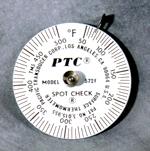
Your analog dial or digital hygrometer is probably giving you incorrect readings which will caiuse problems in your process. HOW-TO Brush Sensitize Dragon Gravure Paper
The sensitizer is always pure which will perform consistently and there is little to no sensitizer waste with this method.
PICCO Dustgrain Info Drying Roller and Plate Whirler for Drying Photogravure Plates SAFER & NON TOXIC CLEANING TIPS
Plates & Tools:
Use B-100 Biodiesel for cleaning up oil based inks and asphaltum off plates, tools or ink slabs. The residue will have to be rinsed or wiped up with soap and water or degreaser. B-100 is 100% vegetable biodiesel which is non-carcinogenic and non evaporating leaving no fumes. We don't recommend it for hand cleaning as it strips the natural oils from your skin which can lead to drying and irritation. Biodiesel will cause copper to tarnish if left on the plate too long.
CAUTION: Biodiesel is not recommended for cleaning natural rubber rollers because it will cause the rubber to break down.
Hand Cleaners:
Coconut oil or Lard (believe it or not) make great natural hand cleaners for removing oil based ink. Follow up with your favorite hand soap to remove the greasiness. I prefer the cheap processed LouAna coconut oil for hand cleaning.
Environmentally friendly plate degreasing with TSP/90:
Tri-Sodium Phosphate is available as Phosphate Free, please look for this on the label as TSP/90. TSP and TSP/90 is not non-toxic, read labels and wear gloves if it is in contact with your hands. I now use a nylon paint brush dipped in a TSP/water solution to degrease plates which keeps my bare hands out of it. Experiment with ratios, I mix mine intuitively, about 6:1. I prefer Red Devil brand.
______________________ MARTHA STEWART Video: Artist Diana Levinson uses Puretch Photopolymer for her etchings in this short video Check out the Puretch Demos on YouTube below
All rights reserved ©2013 |